

Tribal Engagement Initiative on the New Mexico Medical Psilocybin Act
A tribally centered space for the 23 sovereign tribal nations and citizens of New Mexico to examine the Medical Psilocybin Act on their own terms, with attention to relational, ethical, and operational protections.
ABOUT THE INITIATIVE
Why this initiative exists
The New Mexico Medical Psilocybin Act establishes a state-regulated framework for psilocybin assisted therapy. The Act intersects with the territorial and governance interests of the 23 federally recognized tribes and Pueblos of New Mexico, whose citizens constitute approximately 12.4% of the state population, the second-highest proportion of any state in the country.
The conditions the Act is designed to address, including major treatment-resistant depression, post-traumatic stress disorder, and substance use disorders, are documented at disproportionately high rates in Indigenous communities, where the legacies of colonization, forced relocation, and intergenerational trauma have shaped the present terrain of behavioral health. The questions the Act raises bear directly on care for the conditions Indigenous communities confront most acutely.
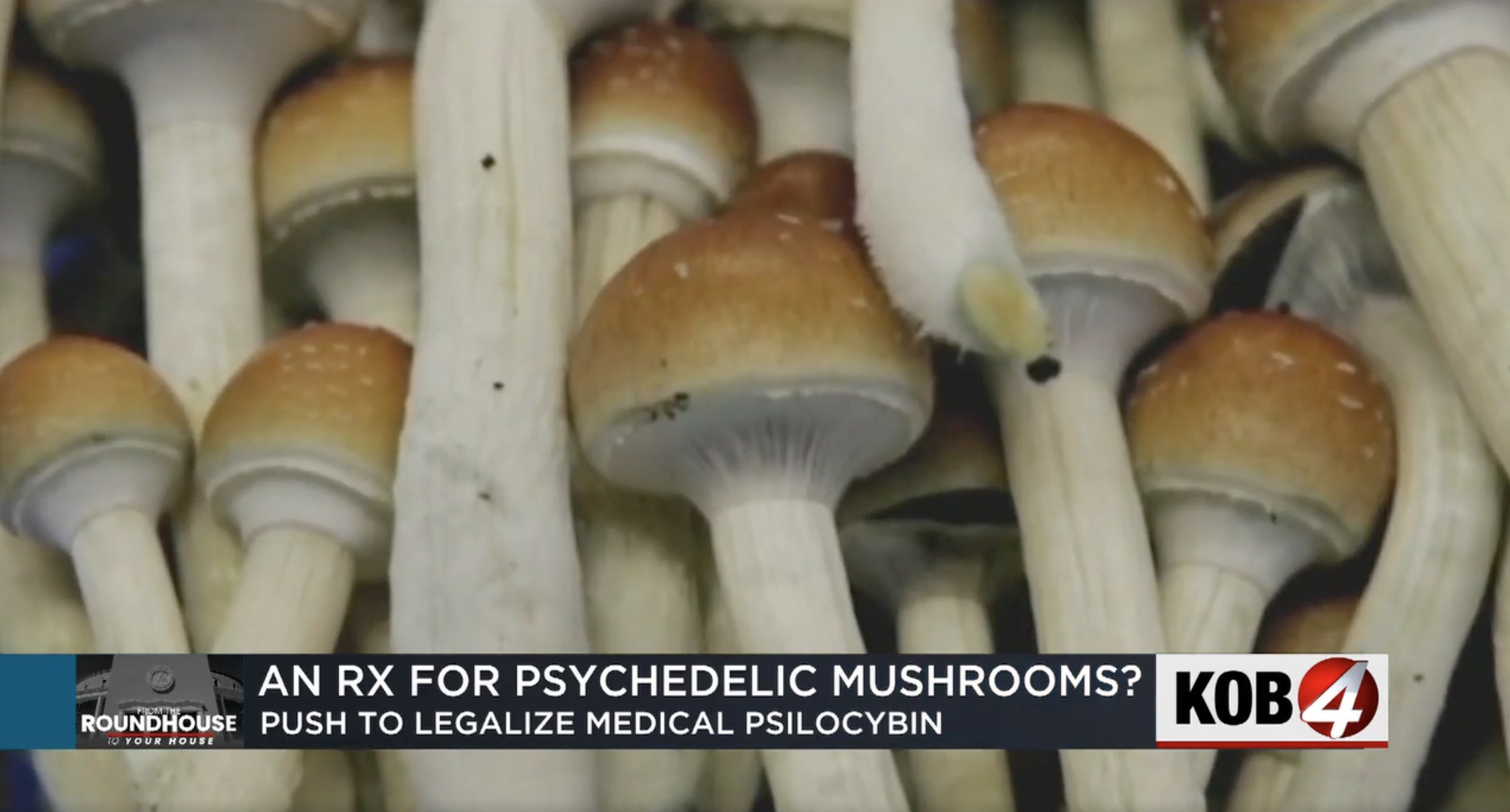
Psilocybin itself is a molecule produced by Psilocybe mushrooms, carried for generations in the ceremonial knowledge of Mazatec and other Indigenous peoples, and isolated and synthesized by Western science only in 1958. As a regulated clinical program takes shape in New Mexico, this initiative supports tribal communities in considering the Act, the state regulatory framework, and the distinction between regulated clinical access and Indigenous ceremonial knowledge, at a pace and in formats that fit each community's own governance processes.
Authentic community deliberation requires spaciousness. This initiative expands the timeline available to tribal nations so that communities can examine the cultural, historical, clinical, and jurisdictional dimensions of the Act with the deliberative attention that sound governance requires, free of the reactive posture a compressed policy environment produces.
POLICY CONTEXT
The Medical Psilocybin Act
Senate Bill 219, the Medical Psilocybin Act, was signed into law on April 7, 2025. New Mexico became the third state in the country to authorize regulated medical psilocybin and the first to do so through legislation. The New Mexico Department of Health has accelerated implementation, with program launch targeted for December 2026, a full year ahead of the statutory deadline.

-
Major treatment resistant depression, post traumatic stress disorder, substance use disorders, and end of life care, with authority for the Department of Health to approve additional conditions.
-
Treatment occurs at approved sites under licensed clinicians, with at least one preparation session and one post administration integration session, using naturally derived psilocybin.
-
A nine member Medical Psilocybin Advisory Board guides implementation. The Act requires representation from an Indigenous group, alongside mental health equity advocates and veterans.
-
The Act establishes a treatment equity fund to support access for patients with low incomes and a research fund supporting clinical study, including research underway at the University of New Mexico.
-
Signed April 7, 2025. Effective June 20, 2025. Rulemaking is underway at the Department of Health, with program launch targeted for December 2026.
-
The Act is a state framework. Its implementation intersects with tribal sovereignty, tribal health systems, and jurisdictional questions that each nation evaluates through its own governance.
SOVEREIGN NATIONS
The 23 Tribal Nations of New Mexico
New Mexico is home to 23 sovereign tribal nations: 19 Pueblos, three Apache nations, and the Navajo Nation. This initiative builds relationships with each nation through respectful first contact, documented ethical protocols, and in-person visits across the state.
Marker locations are approximate and indicate the general location of each nation's community or tribal government offices. The Navajo Nation extends across northwestern New Mexico, Arizona, and Utah; its marker is placed at Shiprock, New Mexico. Boundaries and locations shown do not represent legal descriptions of tribal lands. Population figures are approximate, drawn from tribal government publications, the Bureau of Indian Affairs, and the United States Census, and reflect enrollment or resident counts as each source publishes them.
PROGRAM DESIGN
A two-phase engagement
The initiative advances in two phases, moving from relationship-building and program planning to a multi-session educational series and a synthesis report for tribal communities to use in their own decision-making processes.
PHASE 1 · UNDERWAY
Capacity Building and Program Planning
A three-month planning period establishes the operational and relational foundation of the project.
Respectful first contact and relationship building with each of the 23 tribal nations, including in-person visits across the state
A public webpage centralizing accurate information on the Act and the tribal and state jurisdictional landscape
Documented ethical protocols governing all engagement
A listening tour with tribal leaders, traditional practitioners, healthcare practitioners, tribal citizens, and Indigenous-led organizations
Conversations during Phase 1 shape the design of Phase 2.
PHASE 2 · EDUCATIONAL SERIES
Educational Series and Synthesis
A multi-session educational series delivered by Zoom for tribal communities, leaders, and Indigenous public health professionals.
Accurate, accessible information on the Act and the state regulatory framework
The clinical research underway at the University of New Mexico
The cultural and historical contexts of psilocybin's Indigenous origins
Questions of sovereignty and policy precedent that the Act raises for tribal nations
The series is structured for listening as much as teaching. The phase concludes with a synthesis report held by participating communities, with all publication and dissemination decisions following Indigenous data sovereignty protocols.

PROGRAM DESIGN
Indigenous data sovereignty at every layer
The initiative integrates Indigenous data sovereignty across every layer of engagement. Accountability protocols address consent, publication rights, benefit sharing, story stewardship, and where Indigenous knowledge lives after the project concludes. These protocols travel through every funder and partner relationship the project enters.
CARE Principles
Collective benefit, authority to control, responsibility, and ethics guide all data collection, handling, and dissemination.
UNDRIP
The United Nations Declaration on the Rights of Indigenous Peoples, including free, prior, and informed consent, shapes engagement design.
Nagoya Protocol
Benefit sharing frameworks recognize Indigenous knowledge and govern how contributions are acknowledged and protected.
Knowledge Holders
Traditional knowledge holders who contribute to sessions receive honoraria and retain authority over how their knowledge is shared.
PARTNERS AND SUPPORT
Who supports this work
The initiative is Indigenous-led and philanthropically funded, with an advisory and learning network that spans cultural advising from traditional and cultural knowledge holders, tribal advising specific to the Medical Psilocybin Act, and coordination with the tribal liaison function within the New Mexico Department of Health psilocybin program.
STRATEGIC PARTNER
Psychedelic Mental Health Access Alliance
A multistate initiative working to bring psychedelic assisted therapy into Medicaid and other publicly funded mental health systems, with pilots designed to generate the evidence public payers require and care models that honor traditional healing practices. The Alliance supports this initiative through the strategic advising of co-director Hanifa Nayo Washington, whose counsel guides donor engagement, platform development, and program design across both phases.
SEED FUNDER
RiverStyx supports work at the intersection of psychedelic research, drug policy, end of life care, and Indigenous led plant medicine conservation. Its seed funding carried this initiative from concept into active operation.
FISCAL SPONSOR & FUNDER
A Santa Fe based 501(c)(3) supporting the psychedelic healing and research ecosystem through fiscal sponsorship and grantmaking, with commitments spanning clinical research, harm reduction, and the preservation of Indigenous knowledge in healing practices. Limina holds and administers this initiative's funds while the project maintains its Indigenous-led design and governance.
LEARN MORE
Official resources
For authoritative information on the Medical Psilocybin Act and the state program, consult the following sources.